Featured

Essential Advice for Lowering Personal Debt for 2026
Table of Contents
In his four years as President, President Trump did not sign into law a single piece of legislation that lowered deficits, and only signed one costs that meaningfully decreased spending (by about 0.4 percent). On net, President Trump increased costs rather substantially by about 3 percent, omitting one-time COVID relief.
Throughout President Trump's term in workplace, federal debt held by the public grew by $7.2 trillion from $14.4 to $21.6 trillion., President Trump's final budget plan proposal presented in February of 2020 would have permitted financial obligation to rise in each of the subsequent 10 years, from $17.9 trillion at the end of FY 2020 to $23.9 trillion by the end of FY 2030.
Interest grows quietly. Minimum payments feel manageable. One day the balance feels stuck.
We'll compare the snowball vs avalanche approach, explain the psychology behind success, and explore alternatives if you require extra support. Absolutely nothing here assures instantaneous outcomes. This is about steady, repeatable progress. Charge card charge a few of the highest consumer rate of interest. When balances remain, interest consumes a big part of each payment.
The objective is not just to get rid of balances. The real win is developing practices that avoid future debt cycles. List every card: Existing balance Interest rate Minimum payment Due date Put everything in one document.
Many people feel immediate relief once they see the numbers plainly. Clarity is the structure of every effective credit card debt reward plan. You can stagnate forward if balances keep expanding. Pause non-essential credit card costs. This does not imply severe restriction. It means deliberate choices. Practical actions: Use debit or cash for day-to-day spending Get rid of kept cards from apps Delay impulse purchases This separates old financial obligation from present habits.
Strategic HUD-Approved Counseling in 2026
This cushion protects your reward plan when life gets unpredictable. This is where your debt method U.S.A. method becomes concentrated.
When that card is gone, you roll the released payment into the next smallest balance. Quick wins construct self-confidence Progress feels noticeable Inspiration increases The psychological boost is effective. Many individuals stick with the strategy since they experience success early. This approach favors habits over mathematics. The avalanche technique targets the greatest rates of interest initially.
Extra cash attacks the most costly debt. Decreases overall interest paid Speeds up long-lasting benefit Optimizes effectiveness This technique appeals to individuals who focus on numbers and optimization. Pick snowball if you require emotional momentum.
Missed payments produce fees and credit damage. Set automatic payments for every card's minimum due. By hand send out additional payments to your top priority balance.
Search for practical adjustments: Cancel unused memberships Decrease impulse costs Prepare more meals in the house Offer items you do not use You do not require severe sacrifice. The goal is sustainable redirection. Even modest extra payments substance in time. Expense cuts have limitations. Income development expands possibilities. Think about: Freelance gigs Overtime moves Skill-based side work Offering digital or physical items Treat extra earnings as debt fuel.
How to Speak with Creditors About Difficulty ProgramsStrengthen Financial Literacy With Effective Education
Consider this as a short-lived sprint, not a permanent way of life. Financial obligation payoff is emotional as much as mathematical. Many strategies fail because inspiration fades. Smart psychological strategies keep you engaged. Update balances monthly. Viewing numbers drop enhances effort. Settled a card? Acknowledge it. Small rewards sustain momentum. Automation and regimens reduce choice fatigue.
Everybody's timeline differs. Focus on your own development. Behavioral consistency drives successful credit card financial obligation benefit more than perfect budgeting. Interest slows momentum. Minimizing it speeds results. Call your credit card company and ask about: Rate decreases Hardship programs Advertising offers Many lenders choose dealing with proactive clients. Lower interest suggests more of each payment strikes the primary balance.
Ask yourself: Did balances shrink? A flexible strategy survives genuine life better than a stiff one. Move financial obligation to a low or 0% intro interest card.
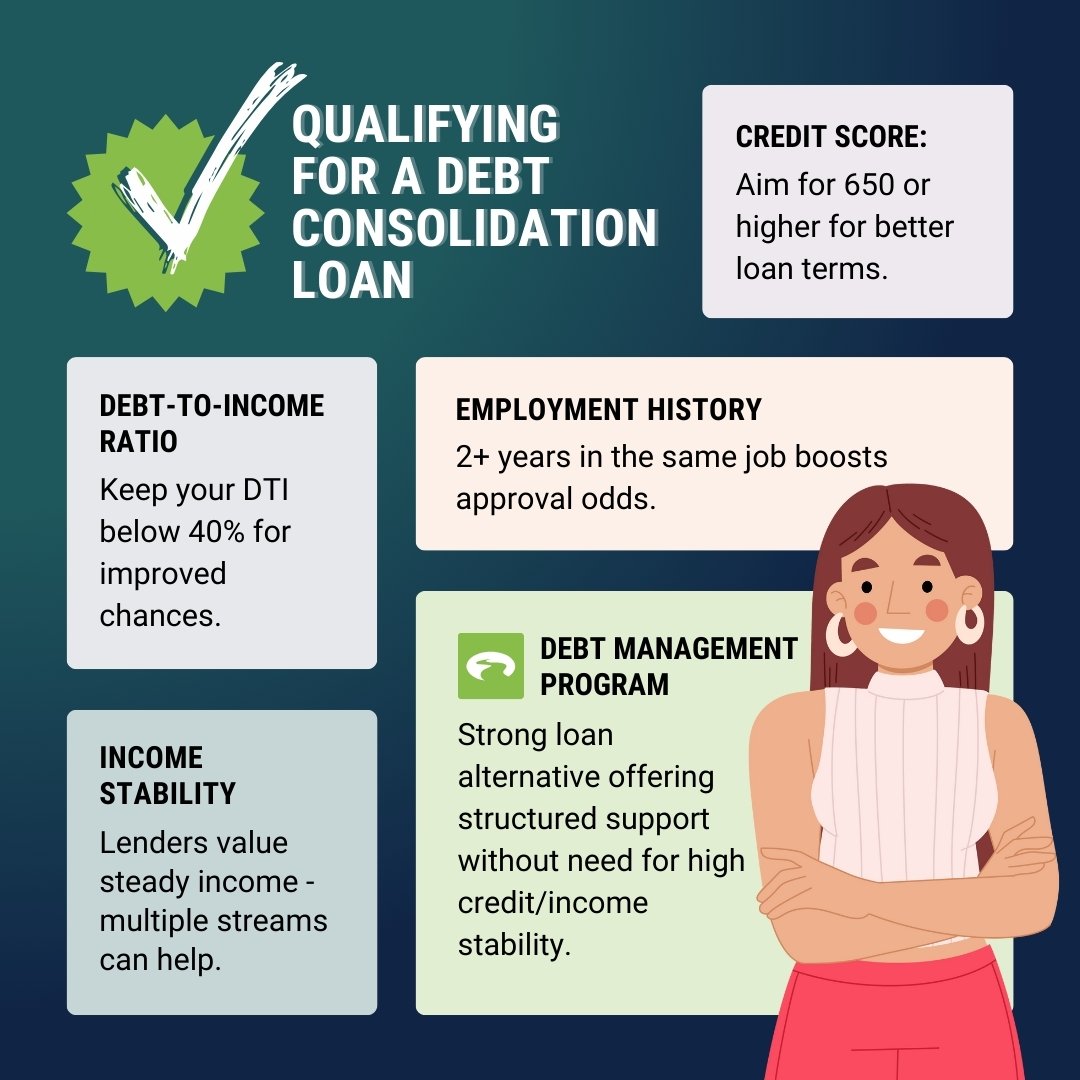
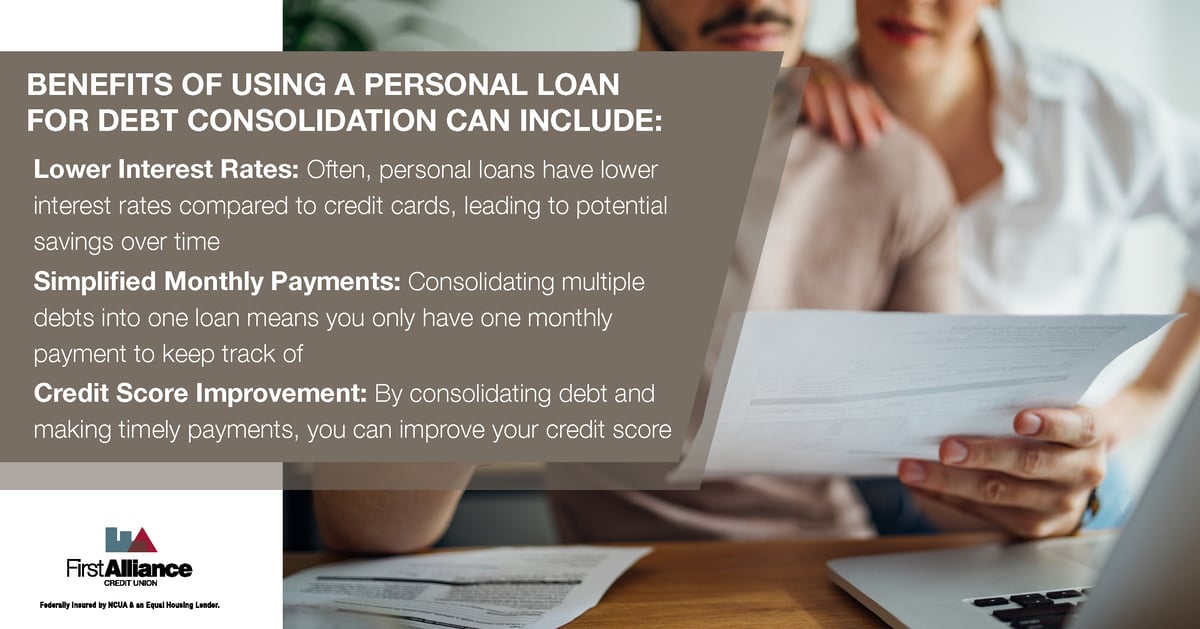
Integrate balances into one set payment. This streamlines management and might lower interest. Approval depends upon credit profile. Not-for-profit firms structure repayment prepares with loan providers. They supply accountability and education. Works out minimized balances. This carries credit effects and charges. It matches severe difficulty situations. A legal reset for overwhelming financial obligation.
A strong debt technique USA households can rely on blends structure, psychology, and flexibility. Debt reward is hardly ever about extreme sacrifice.
How to Speak with Creditors About Difficulty ProgramsGuide to HUD-Approved Counseling for 2026
Paying off charge card debt in 2026 does not need excellence. It needs a smart plan and consistent action. Snowball or avalanche both work when you devote. Psychological momentum matters as much as mathematics. Start with clarity. Build security. Choose your strategy. Track progress. Stay client. Each payment lowers pressure.
The most intelligent relocation is not waiting for the ideal moment. It's beginning now and continuing tomorrow.
Financial obligation consolidation integrates high-interest credit card bills into a single monthly payment at a minimized interest rate. Paying less interest conserves money and allows you to pay off the financial obligation quicker.Financial obligation debt consolidation is offered with or without a loan. It is an efficient, economical way to manage credit card debt, either through a financial obligation management plan, a debt combination loan or financial obligation settlement program.

Latest Posts
New 2026 Repayment Tools for Debtors
Effective Online Tools for 2026

The Comprehensive Guide of Modern Credit Relief